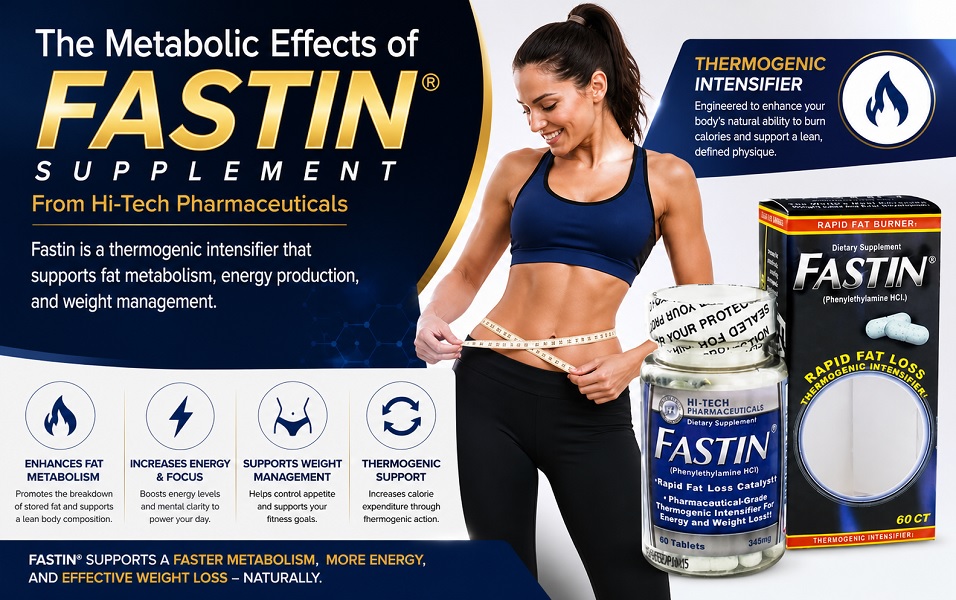
The effectiveness of Fastin, a flagship product from Hi-Tech Pharmaceuticals, is centered on its role as a “metabolic intensifier.” Unlike standard fat burners that rely solely on caffeine, Fastin is engineered as a multi-stage thermogenic stimulant designed to artificially elevate the body’s resting metabolic rate (RMR). For an individual struggling with weight loss, the primary barrier is often a “sluggish” metabolism—a state where the body conserves energy rather than burning it. Fastin aims to override this conservation mode by utilizing a proprietary blend of alkaloids that stimulate the central nervous system and promote the breakdown of stored adipose tissue.
The Science of Enhanced Thermogenesis
The core mechanism behind the effectiveness of Fastin diet pills is thermogenesis, the process of heat production in organisms. By incorporating potent stimulants like Phenylethylamine HCl and Synephrine HCl, the supplement forces the body’s internal temperature to rise slightly. This elevation requires energy, which the body must source from its own caloric reserves. When the metabolic rate is increased through these chemical pathways, the body begins to burn more calories even while at rest. This “passive” calorie burn is a significant benefit for weight loss, as it widens the caloric deficit necessary to shed pounds without requiring a corresponding and often unsustainable increase in physical exercise.
One of the standout components in the Hi-Tech formula is its focus on catecholamine release. The ingredients are designed to trigger the release of norepinephrine and epinephrine (adrenaline). These hormones act as chemical messengers that tell fat cells to release their fatty acids into the bloodstream to be used as fuel. This process, known as lipolysis, is the physiological precursor to actual fat loss. By increasing the availability of these fatty acids, Fastin ensures that when the user does engage in physical activity, the body is primed to utilize fat as its primary energy source rather than glycogen stored in the muscles.
Synergistic Energy and Focus
Beyond the raw increase in metabolic speed, Fastin’s effectiveness is bolstered by its impact on user behavior. Weight loss is frequently derailed by the lethargy and “brain fog” that accompanies a calorie-restricted diet. Fastin provides a significant surge in perceived energy and mental focus. This is a critical beneficial effect because it allows the user to maintain a higher level of “Non-Exercise Activity Thermogenesis” (NEAT). When a person feels energized, they are more likely to move throughout the day—fidgeting, walking, and standing—all of which contribute to a higher total daily energy expenditure (TDEE).
Furthermore, the supplement’s ability to act as a potentiator for exercise cannot be overlooked. By taking the supplement prior to a workout, users often report being able to train at a higher intensity for a longer duration. Since the metabolism is already in a heightened state, the “afterburn” effect (excess post-exercise oxygen consumption, or EPOC) is often more pronounced. This means the metabolism remains elevated for hours after the gym session has ended, further accelerating the weight loss process.
Appetite Suppression and Metabolic Consistency
Another key to Fastin’s success in promoting weight loss is its secondary effect on appetite control. A high metabolism is only effective if it isn’t neutralized by a high caloric intake. The stimulants in Fastin serve as powerful anorectics, signaling the brain that the body is satiated. By curbing cravings and reducing the urge to snack, the supplement helps the user stick to a strict nutritional plan. This creates a “double-edged sword” for fat: while the metabolism is being pushed to run faster (burning more fuel), the intake of new fuel is being restricted.
While these mechanisms suggest a pathway for increased energy expenditure, the practical effectiveness of such supplements is a subject of ongoing discussion within the scientific and medical communities. The body’s metabolic “thermostat” is complex, and the use of potent stimulants can have varying effects depending on an individual’s health profile and tolerance.
Considerations for Long-Term Weight Management
For a supplement to have a meaningful beneficial effect on weight loss, it must be viewed as one component of a broader strategy. The metabolic elevation provided by thermogenic aids is generally most effective when supported by a balanced diet and consistent physical activity. Relying solely on a metabolic increase without addressing nutritional habits may lead to diminishing returns over time.
Additionally, the sustainability of a chemically induced metabolic spike is an important factor. Long-term weight management typically requires a metabolic rate that is supported by lean muscle mass and healthy cellular function. Therefore, using such aids is often considered a temporary measure to assist in breaking through a plateau rather than a permanent solution for obesity or weight maintenance.
Safety and Professional Guidance
Because products like Fastin contain a concentrated blend of alkaloids and stimulants, it is essential to consider the impact on cardiovascular health and the central nervous system. Common side effects associated with high-stimulant thermogenics can include increased heart rate, elevated blood pressure, jitteriness, or sleep disturbances.
Before incorporating any high-potency supplement into a weight loss regimen, consulting with a healthcare professional is necessary. A medical provider can help determine if the ingredients are appropriate for an individual’s specific health needs and ensure that there are no contraindications with other medications or underlying conditions. Ultimately, while increasing metabolism can provide a helpful boost, the most effective and safe transformations are those built on a foundation of professional guidance and sustainable lifestyle changes.